
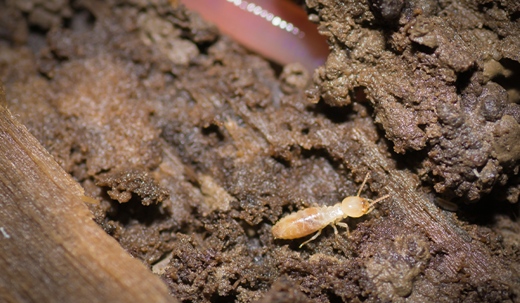
Termites are a common concern for homeowners in North Texas. With our region’s warm temperatures, seasonal rainfall, and periods of high humidity, conditions are often ideal for termite colonies to thrive. Because termites eat wood from the inside out, many infestations go unnoticed until visible damage appears.
The good news is that early signs are often present; they’re just easy to overlook. By knowing what to watch for, homeowners can take a proactive approach to protecting their property.
At Ideal Partners, we believe that awareness and routine inspections are key to responsible home maintenance in Fort Worth and the surrounding areas.
Why Early Detection Matters for North Texas Homes
Termites cause billions of dollars in structural damage each year in the United States. Unlike sudden storm damage, termite activity typically develops gradually and out of sight.
Because colonies often remain hidden behind walls or beneath flooring for months, sometimes even years, damage can progress before homeowners realize what’s happening. In many cases, termite-related repairs are not covered by standard homeowners insurance policies.
Early detection of structural defects can help reduce the extent of structural repairs and preserve the integrity of the home.
Early Signs of Termite Activity to Watch For
In North Texas, the most common termites are subterranean termites, though drywood termites may also be present. Because termites feed internally, visible signs often indicate nearby activity.
The following are several indicators to watch for:
- Mud tubes along the foundation – Subterranean termites build mud tubes about the width of a pencil along foundation walls, piers, or sill plates. These tubes help them retain moisture as they travel between their underground nest and a food source. Homeowners sometimes mistake mud tubes for simple dirt buildup. However, these structures are a strong indicator of subterranean termite activity and should be evaluated.
- Swarmers in spring (especially after rain) – Between February and May, termite swarmers (winged reproductive termites) may emerge, especially after rainfall. Their purpose is to mate and establish new colonies. Swarmers are often confused with flying ants. However, a sudden group of winged insects indoors or around your home during spring may indicate a nearby colony.
- Discarded wings near windows or doors – After swarmers land, they shed their wings. You might notice small piles of translucent wings near windows, doors, or other light sources. Because wings are lightweight and easy to overlook, they’re sometimes mistaken for debris. They can indicate that termites have been active in the area recently.
- Hollow-sounding or damaged wood – Termites consume wood from the inside out, leaving a thin outer layer intact. If you gently tap exposed wood with a screwdriver or similar tool, it may sound hollow. This type of damage is often mistaken for normal aging or minor wear. However, interior feeding can compromise structural strength.
- Bubbling or peeling paint – Moisture produced by termite activity behind walls can cause paint to bubble, peel, or appear uneven. Because this resembles water damage, it’s frequently attributed to plumbing or humidity issues. If bubbling paint appears without an obvious moisture source, it may be worth further evaluation.
- Tight-fitting doors and windows – When termites feed on structural wood, it can lead to warping. Homeowners may notice doors or windows becoming harder to open or close. While seasonal humidity in North Texas can also cause expansion, unexplained changes in fit, especially when combined with other signs, deserve attention.
- Frass (termite droppings) – Drywood termites leave behind small pellet-like droppings known as frass. These pellets resemble coffee grounds or fine sawdust and are often found beneath infested wood. Because frass resembles wood debris, it may go unnoticed. Its presence can indicate drywood termite activity inside walls, attics, or furniture.
Why North Texas Homes Are Especially Vulnerable
Our region’s environmental conditions make termite awareness especially important. Subterranean termites are prevalent throughout Fort Worth and the greater Dallas-Fort Worth area. Clay-heavy soils common in North Texas retain moisture, which is essential for subterranean termite survival.
Irrigation systems, frequent watering, and wood-to-soil contact around slab foundations can further increase damp conditions around a home’s perimeter. Spring swarm season, typically from February through May, is particularly active because of warmer temperatures and rising humidity.
Understanding these local factors helps homeowners stay informed and proactive rather than reactive.
When to Schedule a Termite Inspection
If you’ve noticed any of the signs above, scheduling a professional evaluation is a practical next step. Even if you don’t see visible activity, annual termite inspections are widely recommended in termite-prone areas such as North Texas.
A trained technician can assess areas that aren’t easily visible during a routine home check, including crawl spaces, attics, and structural components.
For homeowners in Fort Worth and surrounding communities, Ideal Partners provides free termite inspections to identify potential issues early and provide clear guidance on next steps.
Protecting Your Investment with Proactive Care
Termites are a common part of life in North Texas, but significant damage doesn’t have to be. By recognizing early warning signs and scheduling routine inspections, homeowners can take a calm, informed approach to protecting their property.
Since 2009, Ideal Partners has served the Fort Worth and greater DFW community with reliable home services grounded in integrity and clear communication.
If you’d like added assurance about your home’s condition, a professional termite assessment can help you make confident, informed decisions about protecting your investment. Contact us at (817) 646-7044 for a free inspection.