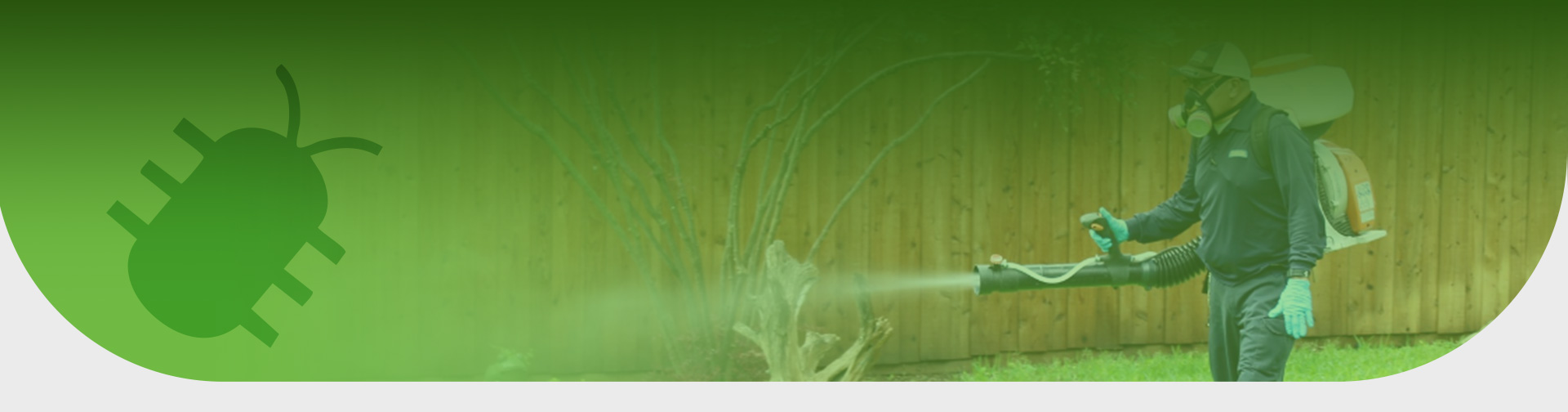
Aphid Control in Fort Worth
Safeguarding Your Fort Worth Landscape
Fort Worth homeowners often face the frustrating challenge of protecting their beautiful gardens and landscapes from tiny, yet destructive, pests. If you are noticing curled leaves, sticky residue, or stunted plant growth, these are often clear signs of an aphid infestation needing prompt attention to preserve your plants.
At Ideal Partners - Pest Control, we understand the unique pest challenges of the Fort Worth area. With over 40 years of dedicated experience since our founding in February 1982, we bring unparalleled expertise in effective aphid control, ensuring your green spaces thrive without unwanted visitors.
Call us today at (817) 591-7515, or contact us online for professional aphid control services in Fort Worth.
Recognizing the Signs of Aphid Infestation
Aphids are small, soft-bodied insects that can cause significant damage to plants in a surprisingly short amount of time. Understanding the common indicators of their presence is crucial for timely intervention and protecting your garden from widespread harm. These tiny pests feed on plant sap, weakening plants and making them vulnerable to other issues.
Here are the key signs that your plants might be experiencing an aphid problem:
- Curled or Stunted Leaves: As aphids feed, they extract sap, causing leaves to curl, yellow, or become distorted. New growth may appear stunted or misshapen.
- Sticky Residue (Honeydew): Aphids excrete a sugary substance called honeydew. This sticky film often coats leaves and stems, attracting ants and encouraging the growth of sooty mold, which appears as a black, powdery substance.
- Visible Aphids: While tiny, aphids can be seen on the undersides of leaves, on new stems, or near flower buds. They come in various colors, including green, black, yellow, brown, or pink.
- Ants Present: Ants are often found near aphid colonies because they feed on the honeydew. A sudden increase in ant activity on your plants can indicate an aphid problem.
- Wilting Plants: Severe infestations can lead to overall plant wilting, even if the plant is receiving adequate water, due to significant sap loss.
- Poor Plant Health: Over time, plants heavily infested with aphids will show a decline in overall health, reduced flowering, and diminished fruit or vegetable production.
By regularly inspecting your plants for these warning signs, you can catch aphid infestations early, allowing for more effective and less invasive treatment options to save your beloved garden.
Our Professional Aphid Control Approach
At Ideal Partners - Pest Control, our approach to aphid control in Fort Worth is thorough and designed for long-term effectiveness, ensuring your plants receive the best care. We combine our over 40 years of experience with modern techniques to tackle even the most persistent aphid problems. Our goal is to eliminate current infestations and implement strategies to prevent future outbreaks.
Our comprehensive aphid control process includes:
- Thorough Inspection: Our experienced technicians begin with a detailed inspection of your garden and plants to identify the extent of the aphid infestation, the specific aphid species, and any underlying factors contributing to their presence.
- Customized Treatment Plan: Based on our findings, we develop a tailored treatment plan. This may involve targeted insecticide applications, horticultural oils, insecticidal soaps, or biological control methods, chosen for their effectiveness and safety for your specific plants and environment.
- Precise Application: We apply treatments with precision to affected areas, minimizing impact on beneficial insects and the surrounding ecosystem while maximizing aphid eradication. Our team ensures careful attention to detail.
- Monitoring and Follow-Up: After initial treatment, we offer monitoring services to ensure the aphid population is under control. If necessary, follow-up treatments are scheduled to address any re-infestations and ensure lasting results.
- Preventative Recommendations: We provide expert advice on cultural practices and preventative measures you can adopt to make your garden less attractive to aphids in the future, promoting overall plant health and resilience.
We are committed to clear communication throughout the process, providing you with peace of mind and a thriving, aphid-free landscape in Fort Worth.
The Importance of Professional Aphid Control
Tackling aphid infestations effectively requires more than just spraying a general pesticide. Professionals possess the specialized knowledge to accurately identify aphid species and understand their life cycles, which is crucial for selecting the most appropriate and effective treatment methods. This expertise ensures targeted solutions that protect your plants without unnecessary harm.
Furthermore, professional aphid control prioritizes the health of your entire ecosystem. Experts utilize precise application techniques and select products that minimize impact on beneficial insects, pets, and the environment. This careful approach helps maintain the natural balance of your garden while eradicating destructive aphids.
Ultimately, investing in professional aphid control saves you time, effort, and often, more severe plant damage. It ensures thorough elimination of pests and provides long-term strategies for prevention, giving you peace of mind and allowing your Fort Worth garden to flourish beautifully and healthily.
Why Choose Us for Aphid Control in Fort Worth
When facing an aphid infestation in your Fort Worth garden, choosing the right pest control partner makes all the difference. At Ideal Partners - Pest Control, our extensive experience and unwavering commitment to customer satisfaction set us apart as the premier choice for effective aphid control. We pride ourselves on delivering solutions that are both reliable and tailored to your specific needs.
Here is why Fort Worth residents trust us for their aphid control needs:
- Decades of Experience: Since our founding in February 1982, we have accumulated over 40 years of specialized experience in managing all types of pest issues, including stubborn aphid infestations, across the Dallas-Fort Worth Metroplex.
- Proven Track Record: We have successfully served over 50,000 satisfied customers, demonstrating our consistent ability to deliver effective and lasting pest control solutions.
- Expert Team: Our team comprises over 30 highly trained and dedicated pest control technicians, each equipped with the knowledge and tools to handle aphid problems efficiently and professionally.
- Comprehensive Approach: We take a holistic view of pest problems, emphasizing clear communication and effective strategies not just for current eradication, but also for long-term prevention.
- Local and Trusted: As a locally owned and operated business, we are deeply committed to the Fort Worth community and understand the unique pest challenges of our area.
- Customer-Centric Service: Our strong commitment to top-notch customer service means we always strive to get the job done right the first time, ensuring your complete satisfaction and peace of mind.
- Innovative Solutions: We utilize effective methods and can even incorporate solutions like TAP Pest Control Insulation, which is EPA-registered for insect control, to provide additional protection.
Choose Ideal Partners - Pest Control for reliable, experienced, and effective aphid control that ensures your Fort Worth plants remain healthy and vibrant. Our team is ready to help you reclaim your garden.
For expert aphid control services in Fort Worth, call us at (817) 591-7515 or contact us online today!