
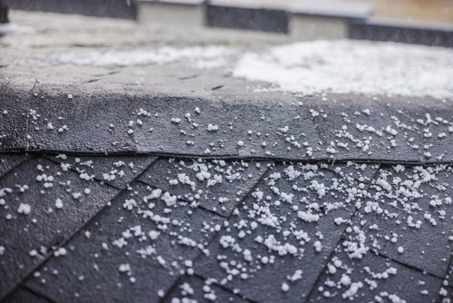
Spring in North Texas brings warmer temperatures, longer days, and some of the year’s most intense weather. In this region, storms are rarely just heavy rain. They often include hail, high winds, and fast-moving systems that can leave lasting impacts on your home’s roofing system.
At Ideal Partners, we’ve seen firsthand how quickly seasonal weather can change the condition of a roof, sometimes in ways that aren’t obvious from the ground. Understanding how spring storms affect your roof can help you catch issues early and avoid more extensive repairs.
Why Spring Storms Are a Serious Roofing Risk
North Texas is often described as one of the most hail-prone regions in the country. Depending on the year, the DFW area can experience anywhere from a few to more than a dozen hail-producing storm days. Spring also brings strong thunderstorms capable of producing wind gusts of 60 mph or higher, along with the potential for tornadoes.
These conditions create a perfect environment for roofing damage. Even if your home doesn’t take a direct hit from a severe hail core or an extreme wind event, repeated exposure to seasonal storms can weaken materials.
Because these weather patterns are common, it’s important to view spring as an annual stress test for your roof rather than a one-off event.
Common Types of Roof Damage After Spring Storms
Not all storm damage looks dramatic. In many cases, the most significant problems begin subtly and worsen.
After a spring storm, roofing systems may experience:
- Hail bruising on asphalt shingles – Hail impacts can create soft spots or fractures in shingles, weakening their protective structure even if the surface looks intact.
- Granule loss – The protective granules on asphalt shingles can loosen or wash away, accelerating wear and reducing UV protection.
- Lifted or creased shingles – High winds may break the seal that holds shingles flat, allowing edges to lift and making them more vulnerable to future storms.
- Damaged flashing – Flashing around chimneys, vents, and valleys can loosen or bend, creating potential entry points for water.
- Cracked roof vents – Plastic or thin metal vent components can fracture under hail impact.
- Dents in gutters and downspouts – While often cosmetic, these dents can indicate the size and force of hail that also struck the roof.
- Hidden water intrusion – Small breaches in roofing materials may allow moisture to seep in slowly, leading to leaks that appear weeks later.
From the ground, many of these issues are difficult to detect. A roof can look fine from your driveway while still sustaining damage that compromises its long-term performance.
Warning Signs to Watch for Concerning Your Roof
After a significant storm, a quick visual check around your property can reveal useful clues. While this doesn’t replace a professional roof inspection, it can help you decide whether further evaluation is needed.
Keep an eye out for:
- Granules collecting in gutters or at the base of downspouts
- New ceiling stains or discoloration inside your home
- Shingles that appear missing, misaligned, or curled
- Dents on metal roof components, vents, or gutters
- Leaks or moisture spots after heavy rainfall
If you notice any of these signs, document them with photos and note the date of the storm. Even minor symptoms can signal underlying damage that deserves closer attention.
Why Prompt Roof Inspections Matter
Small roofing issues rarely stay small for long. A cracked shingle or a loose flashing may not cause an immediate leak, but repeated exposure to sun, wind, and additional storms can worsen the problem.
Another important consideration is the timing of insurance claims. Many homeowners’ policies include specific windows for filing storm-related claims. Waiting too long to assess potential damage could complicate documentation or reduce your options.
Scheduling an inspection shortly after a significant storm or even proactively before peak hail season can provide clarity. A professional evaluation helps determine whether damage is present, how severe it may be, and what next steps are appropriate given your roof’s condition.
How Roof Age Affects Storm Vulnerability
The age and quality of your roofing materials play a major role in how well your home withstands spring storms.
Roofs 10 years old or older may be more susceptible to hail bruising and wind uplift, especially if they were built with basic or builder-grade shingles. Exposure to heat, UV rays, and previous storm cycles gradually weakens adhesives and protective layers.
Even if your roof has never experienced a major event, cumulative seasonal wear can erode its resilience. As your roof approaches the midpoint or later years of its expected lifespan, routine inspections become increasingly important, especially in a region like North Texas, where severe weather is common.
Schedule a Spring Roof Inspection Before the Next Storm
Spring storms are a part of life in North Texas. While you can’t control the weather, you can take practical steps to protect your property.
A professional roof inspection can help identify visible and hidden storm damage, provide documentation if insurance claims are necessary, and give you a clearer understanding of your roof’s overall condition.
Our licensed technicians at Ideal Partners bring decades of combined service experience to every inspection, offering straightforward communication and upfront pricing so you can make informed decisions about your home.
If your property has recently experienced a spring storm, or if you’d simply like peace of mind before the next system rolls through, contact us at (817) 646-7044 to schedule an inspection.