
Roof Damage: Wear and Tear or Storm Damage?
When your roof starts showing problems, one question determines almost everything about what happens next: is this storm damage or ordinary wear and tear? The answer decides whether your insurance company pays for repairs or whether the cost falls on you. For Fort Worth homeowners, where storms roll through regularly, knowing the difference matters more than most people realize.
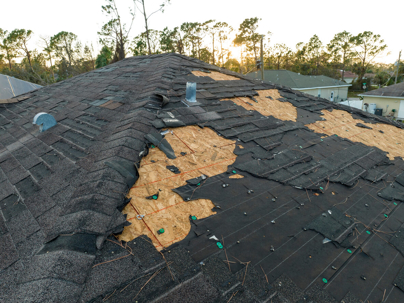
Storm damage is sudden and event-driven. After a hailstorm or high winds, you might notice dented or bruised shingles, granules collecting in your gutters, missing shingles, or cracked flashing. Hail often leaves round dark spots where the protective granules have been knocked away. Wind can lift and curl shingles or tear them off entirely. Because this damage traces back to a specific weather event, it's typically covered by a standard homeowner's policy.
Wear and tear, on the other hand, happens gradually over years. Shingles that are cracked from age, curling from prolonged sun exposure, or thinning from normal weathering fall into this category. So do problems caused by poor maintenance or an aging roof that's simply reached the end of its lifespan. Insurance companies generally consider this the homeowner's responsibility, since it's the expected result of time rather than a covered event.
The tricky part is that the two can look similar to an untrained eye — and insurers know it. That's why an adjuster may try to classify storm damage as wear and tear to reduce or deny a claim. Without a professional assessment, many homeowners accept that verdict and pay out of pocket for damage that should have been covered.
This is where a trained roofing inspection makes a real difference. A professional can document the type and cause of damage, distinguish fresh storm impact from age-related decline, and provide the evidence your insurance company needs to approve a legitimate claim. Timing matters too, since most policies have deadlines for filing after a storm.