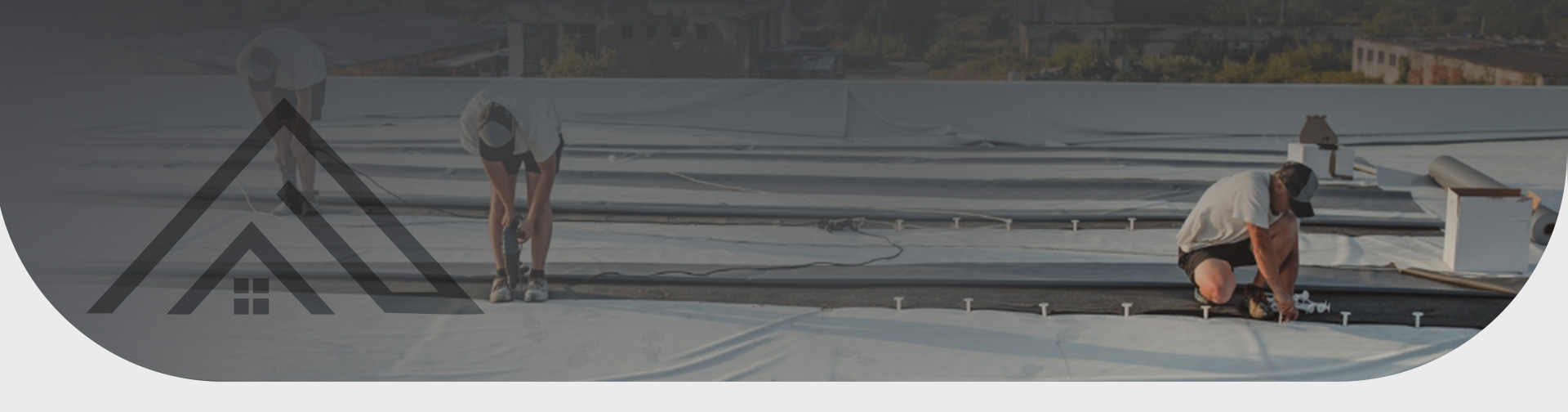
Preventative care is a key component of preserving your metal roof. During routine inspections, our roofing contractors at Ideal Roofing can check for rust, loose panels, leaks, or compromised sealants, which are common problems that, if overlooked, can lead to bigger structural concerns. We can also clean your roof of debris, such as leaves or branches, that may trap moisture and cause corrosion over time. By catching wear and tear early, you can reduce the likelihood of avoidable damage and extend the service life of your roof.
While routine inspections are important, certain situations call for an immediate professional evaluation. If you spot visible signs of damage, for example, schedule an inspection as soon as possible so that our licensed roofers can evaluate the problem. It’s also wise to have your roof inspected after any severe weather event, even if any damage isn’t immediately obvious. Strong winds or impact from flying debris can compromise the structural integrity of your metal roof in subtle ways that might not be noticeable to the untrained eye. Timely professional evaluations in these scenarios can help mitigate further issues and protect your property.
Our metal roofing services in Fort Worth include free inspections, so do not hesitate to schedule an appointment after a storm hits or if you can’t remember the last time that you had your roof looked at. We can assess the condition of your metal roof and provide a complimentary estimate of any repairs or maintenance we recommend.
Signs Your Metal Roof Needs Repairs
Regularly inspecting your metal roof from the ground can help identify and address potential issues early, potentially saving you from more extensive damage and pricier repairs down the line. Keep an eye out for any visible abnormalities, as even minor issues can become significant problems if not addressed quickly.
Here are several warning signs to look out for:
- Rust or corrosion on metal panels. Even though most metal roofs are treated to withstand rust, prolonged exposure to moisture, particularly in areas with poorly maintained finishes or scratches, can lead to corrosion. Rust weakens the structural integrity of your roof and should be addressed immediately to prevent further deterioration.
- Loose or missing fasteners. Over time, the fasteners that hold your metal panels in place can become loose due to thermal expansion and contraction or high winds. Missing or loose fasteners reduce your roof's ability to withstand environmental stresses and leave sections vulnerable to further damage.
- Damaged flashing. Flashing, usually placed around vents, chimneys, and skylights, is vital for keeping your roof watertight. If your roof’s flashing is bent, loose, or missing, it can allow water to seep through the gaps, leading to leaks and potential internal damage.
- Dented or warped panels. Impacts from hail, falling debris, or extreme weather can cause visible dents or warping on your metal roof’s panels. These deformations can compromise your roof's protective capabilities and may allow moisture to enter. Warped panels can interfere with the drainage system of your roof, leading to pooling water.
- Gaps in seams or overlaps. The seams and overlaps between metal sheets are critical in preventing water entry. If you notice gaps or separations in these areas, it may signal that your roofing system has shifted or been improperly installed. Prompt attention to these issues is necessary to prevent moisture infiltration.
- Peeling or damaged paint. The paint on metal roofs isn't just for aesthetics – it also provides an additional protective layer. Peeling, flaking, or bubbling paint can expose the metal panels underneath to the elements, increasing the risk of rust and degradation.
- Leaks and water stains inside your home. If you notice water stains on your ceilings or walls or experience active leaks during rainfall, your roof's protective barrier has likely been compromised. This could be due to damaged panels, failed seams, or issues with flashing.
How Long Do Metal Roofs Last?
Metal roofs offer excellent durability and long lifespans, often outlasting other roofing materials. On average, a properly installed and maintained metal roof can last 50 years or more, depending on the type of metal used. Premium materials like copper and zinc can even last over 100 years.
Factors like climate, maintenance practices, and the quality of the installation all influence the overall longevity of a metal roof. Choosing high-quality materials and adhering to regular maintenance schedules are key to maximizing your metal roof’s life expectancy.
Are you concerned your metal roof is past its prime? Our metal roofing services in Fort Worth include help determining whether repairs can restore your roof or if replacement is the best course of action.
If you think your metal roof may need attention, we are here to help! Call (817) 241-4776 or contact us online today.